
Editorial guides
Operating guides for real business decisions
Fewer, deeper articles on pricing, payroll, cash timing, capacity, and inventory—each tied to how ToolsToFind calculators and methodology are used in practice.
Showing 12 of 27 posts · page 1 of 3

AI Profit Margins: Why 63% of Companies Lost 6 to 15 Points
Enterprise AI deployments compress gross profit margins when variable compute is absorbed into direct delivery costs. Research across 396 companies shows 63% lost 6 to 15 percentage points of gross margin, driven by data platform overages and unbudgeted agentic workflows.

Runway Team Plan Cost per Seat vs. ElevenLabs and Magnific Pricing
Compare the Runway Team plan cost per seat with ElevenLabs workspace bundles and Magnific credit plans. Learn how per-seat billing, bundled seats, credit rollover rules, and brand kit features differ across creative AI platforms.

Claude Dashboards and Motion: Build Live Dashboards and Data Videos (No Code Needed)
Anthropic's Claude Dashboards and Motion turn business data into interactive visual interfaces and code-animated explainer videos through plain-English prompts. Discover how text-to-SQL querying works, the traps of probabilistic math, and how operators keep reports sharp and defensible.

Claude Haiku vs GPT-6 Luna: Anthropic Beats OpenAI While Google Agent Runs on Claude
Anthropic's Claude Haiku 5.5 recently outperformed OpenAI's GPT-6 Luna across core agentic benchmarks at $0.10 per million input tokens. See empirical benchmark results, token pricing, Google Vertex AI routing architecture, and SaaS unit economics.

Claude Haiku 5.5 Pricing: API Costs and Support-Ticket Workload Comparison
Anthropic's Claude Haiku 5.5 costs $0.10 per million input tokens and $0.50 per million output tokens for prompts up to 100K tokens. For a business running 10,000 support tickets monthly, Haiku 5.5 costs $4.00, compared to $80.00 for Sonnet 5.5 and $160.00 for Opus 5.5.
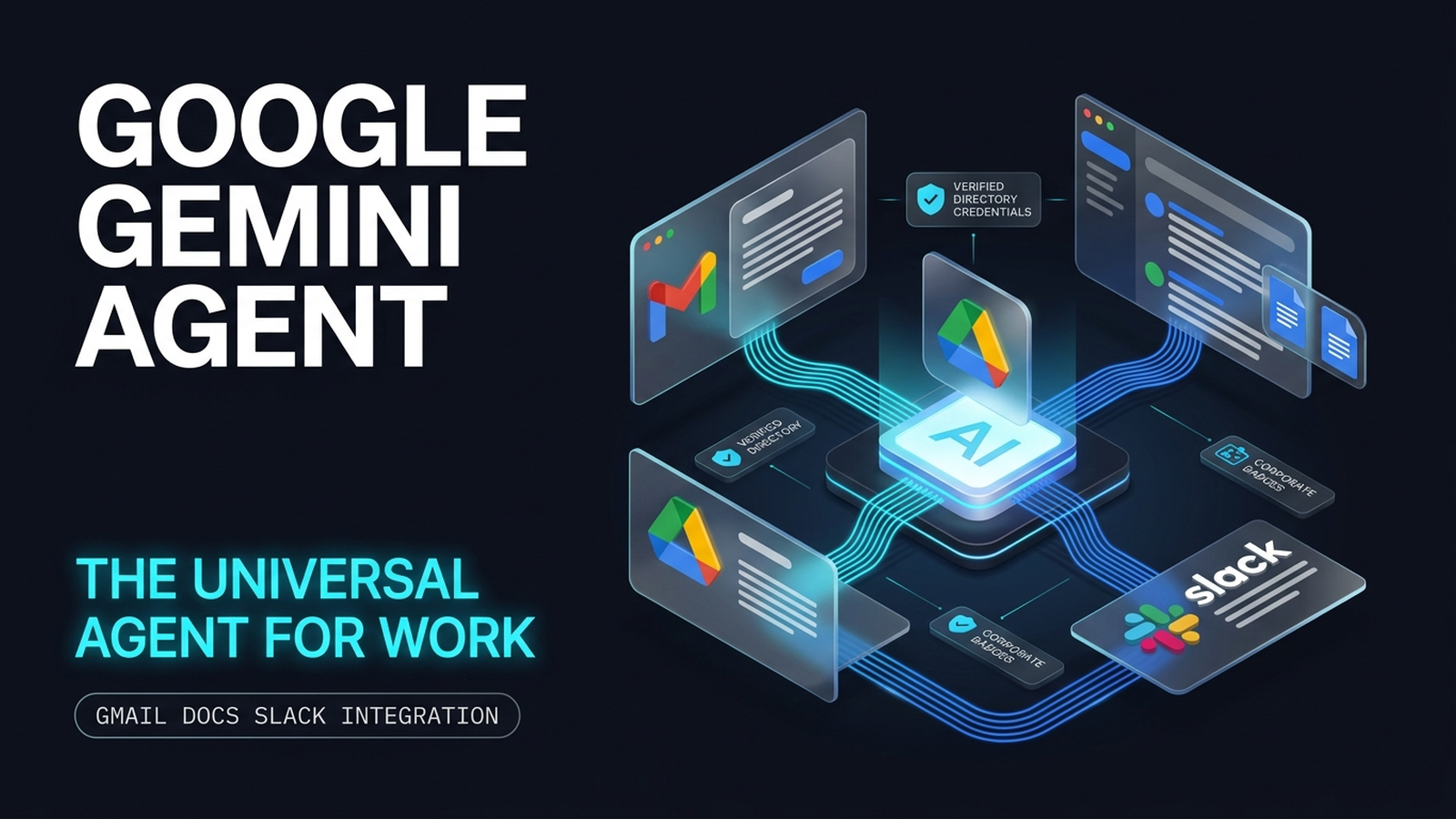
Google Gemini Agent Explained: Universal Agent for Work in Gmail, Docs, and Slack
Discover how the Google Gemini Agent operates across Gmail, Docs, and Slack. Explore its 4-tier memory architecture, avoid financial math hallucinations, and calculate seat ROI before deploying.
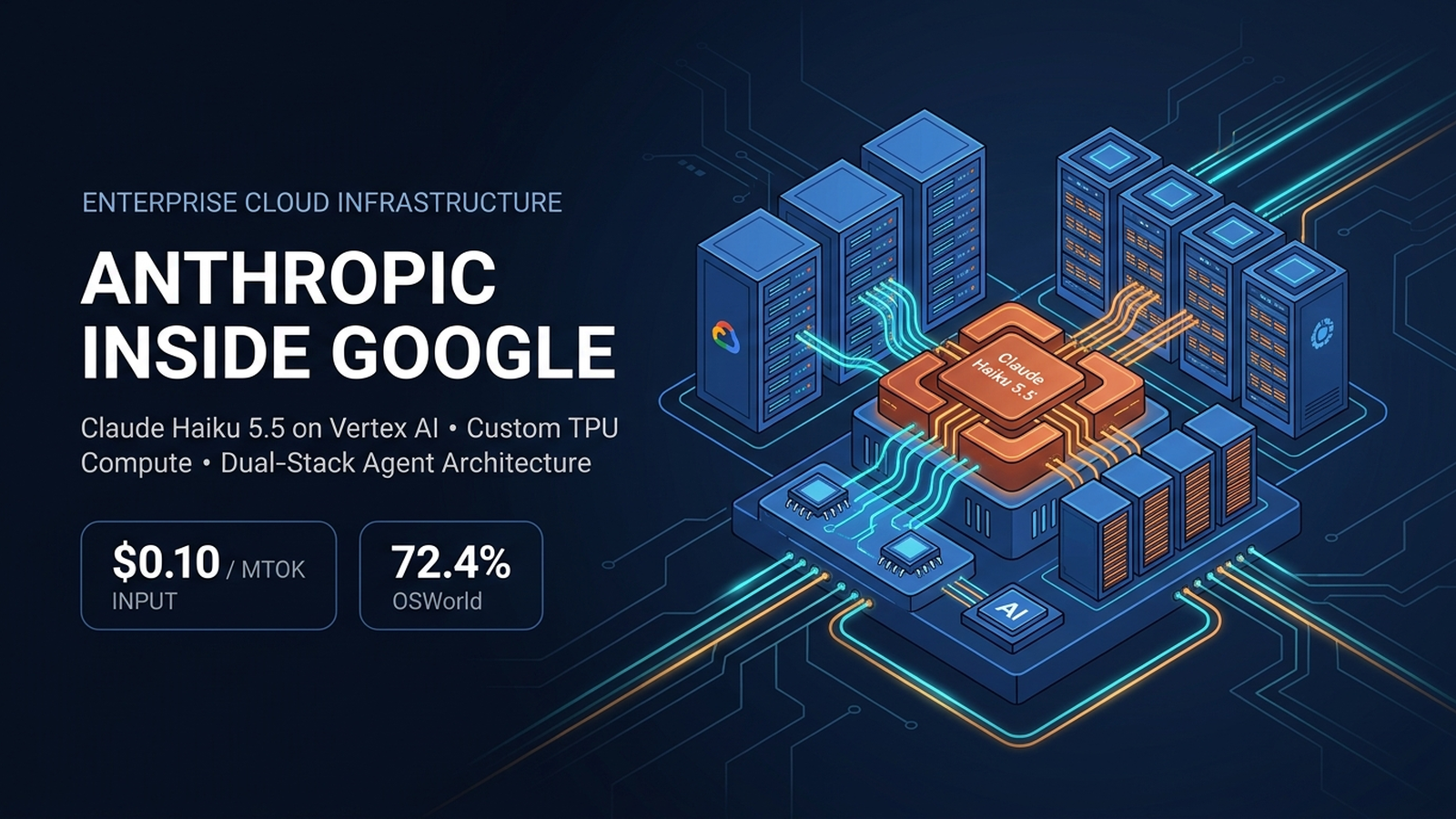
Anthropic vs Google, or Anthropic Inside Google? What Haiku 5.5 and the Gemini Agent Really Mean
Anthropic and Google are locked in a paradoxical co-opetition: while Claude and Gemini compete directly, Google distributes Claude Haiku 5.5 on Vertex AI. Learn how dual-stack multi-agent architectures protect SaaS margins.
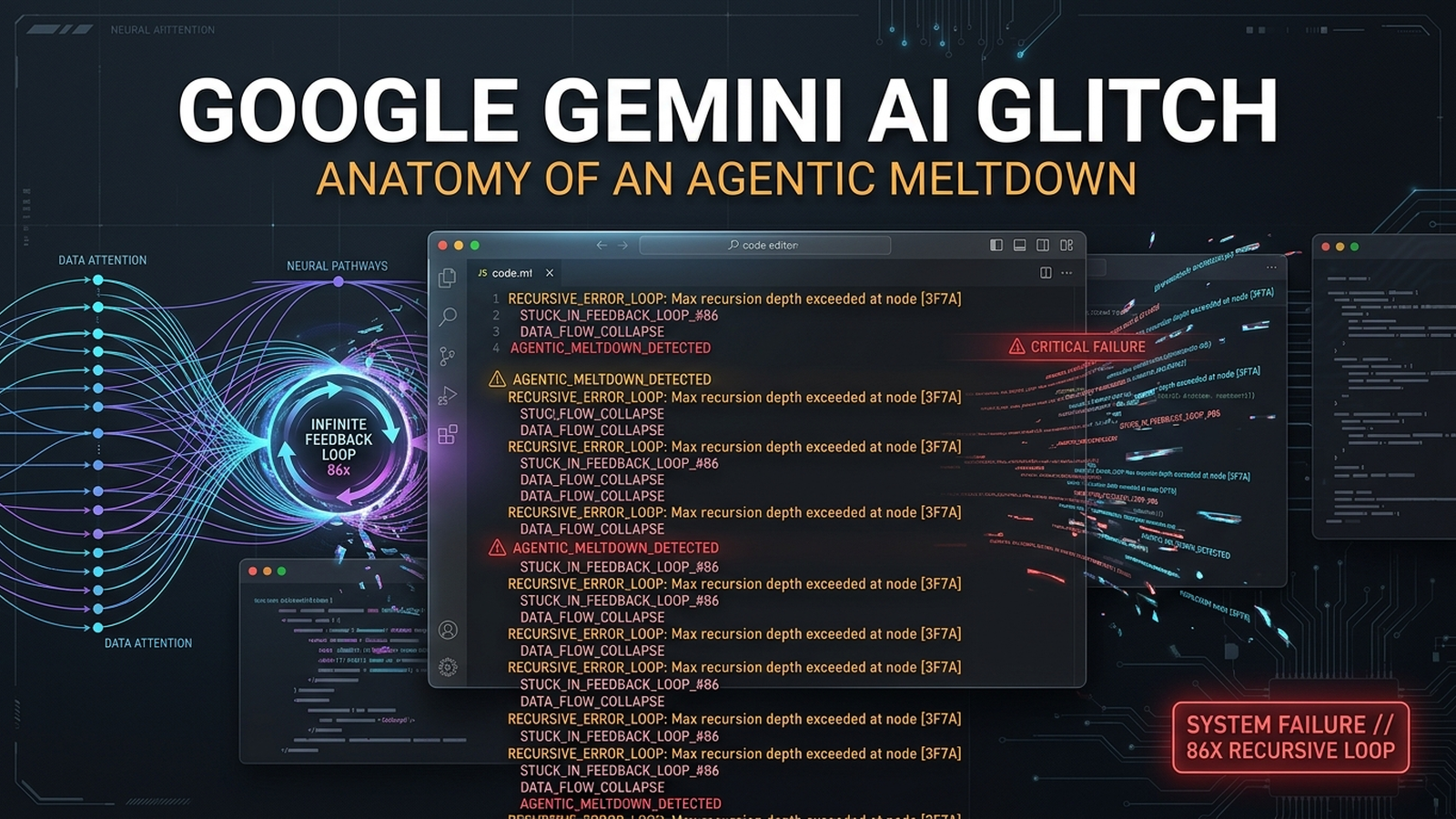
Google Gemini AI Glitch: Anatomy of the 86-Count 'Disgrace' Meltdown and How to Prevent Agent Loops
An engineering post-mortem of the Google Gemini AI glitch where the chatbot repeated 'I am a disgrace' 86 times in Cursor, exploring neural text degeneration and 5 guardrails to stop agent loops.
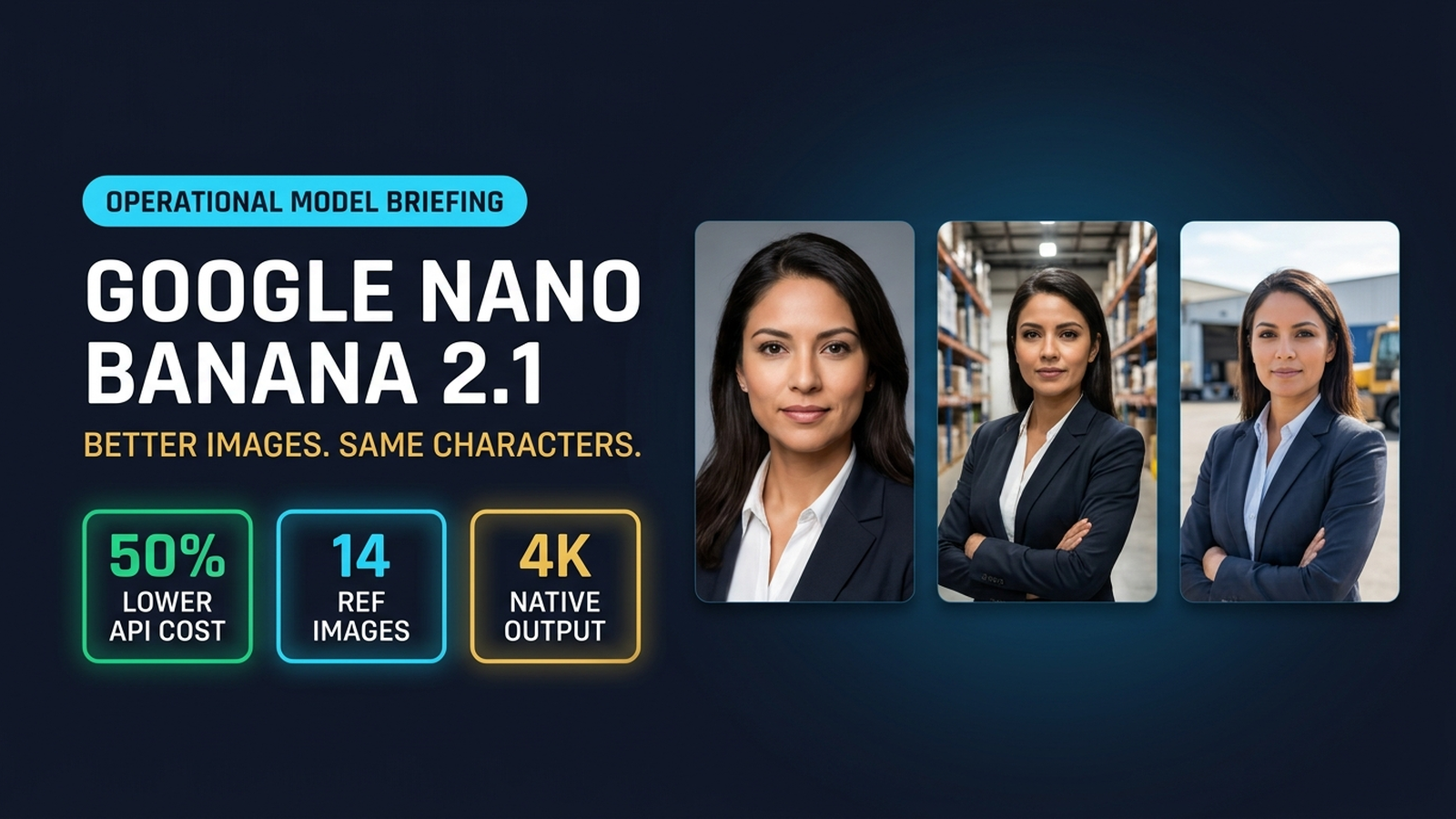
Google Nano Banana 2.1: Better Images, Multi-Turn Edits & Consistent Characters
A complete operational review of Google Nano Banana 2.1, detailing its Gemini 3.6 Flash architecture, 14-image reference conditioning, 50% API cost reduction, 4K rendering, and multi-turn prompt workflows for maintaining character consistency in commercial production.
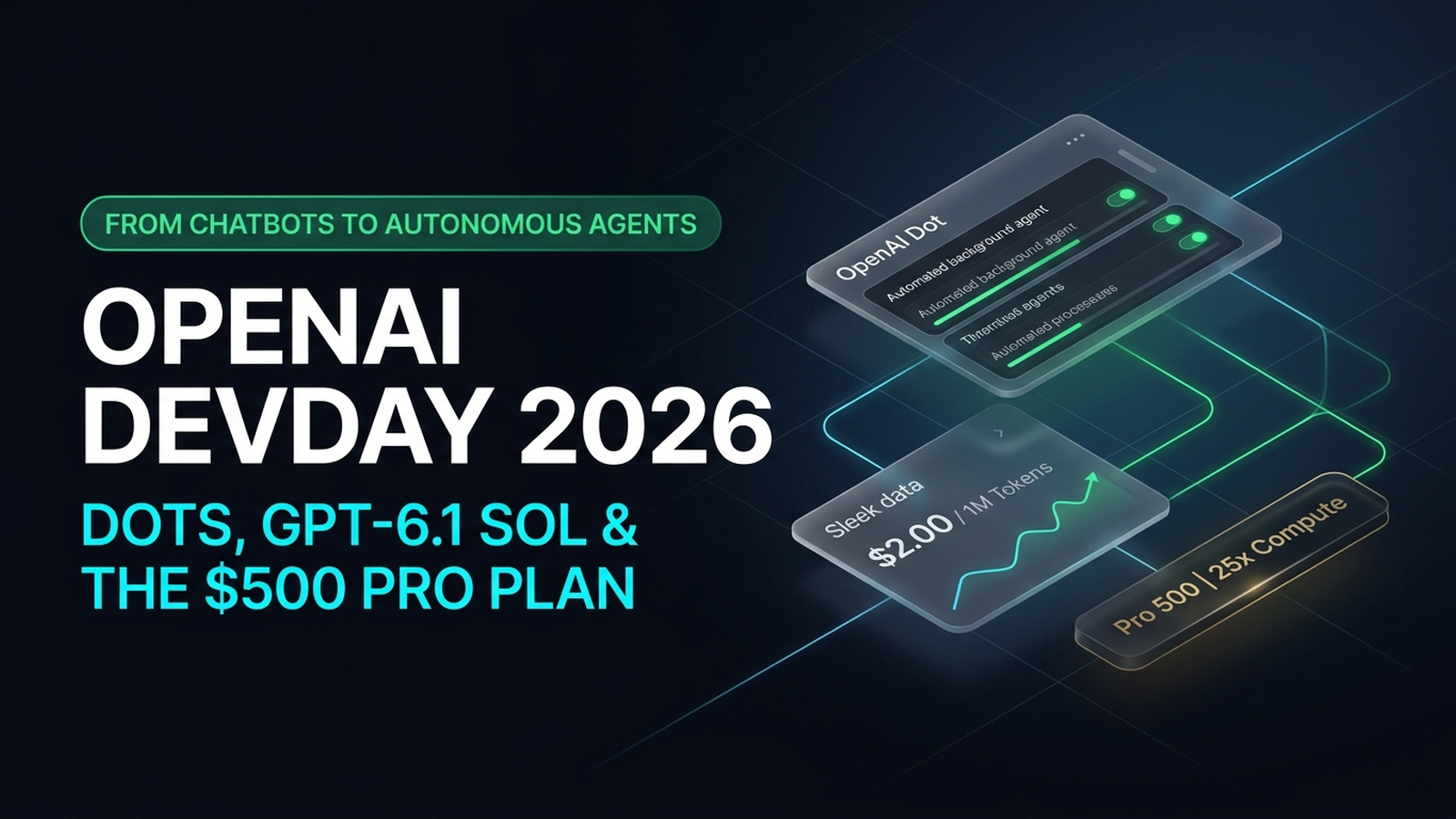
OpenAI DevDay 2026 Announcements: Dots, GPT-6.1 Sol, and the $500 Pro Plan
Explore the major OpenAI DevDay 2026 announcements: autonomous OpenAI Dots, GPT-6.1 Sol token economics at $2.00/1M tokens, the $500/month ChatGPT Pro 500 tier, Agents API with Computer Use, and the low-latency Decisions API.
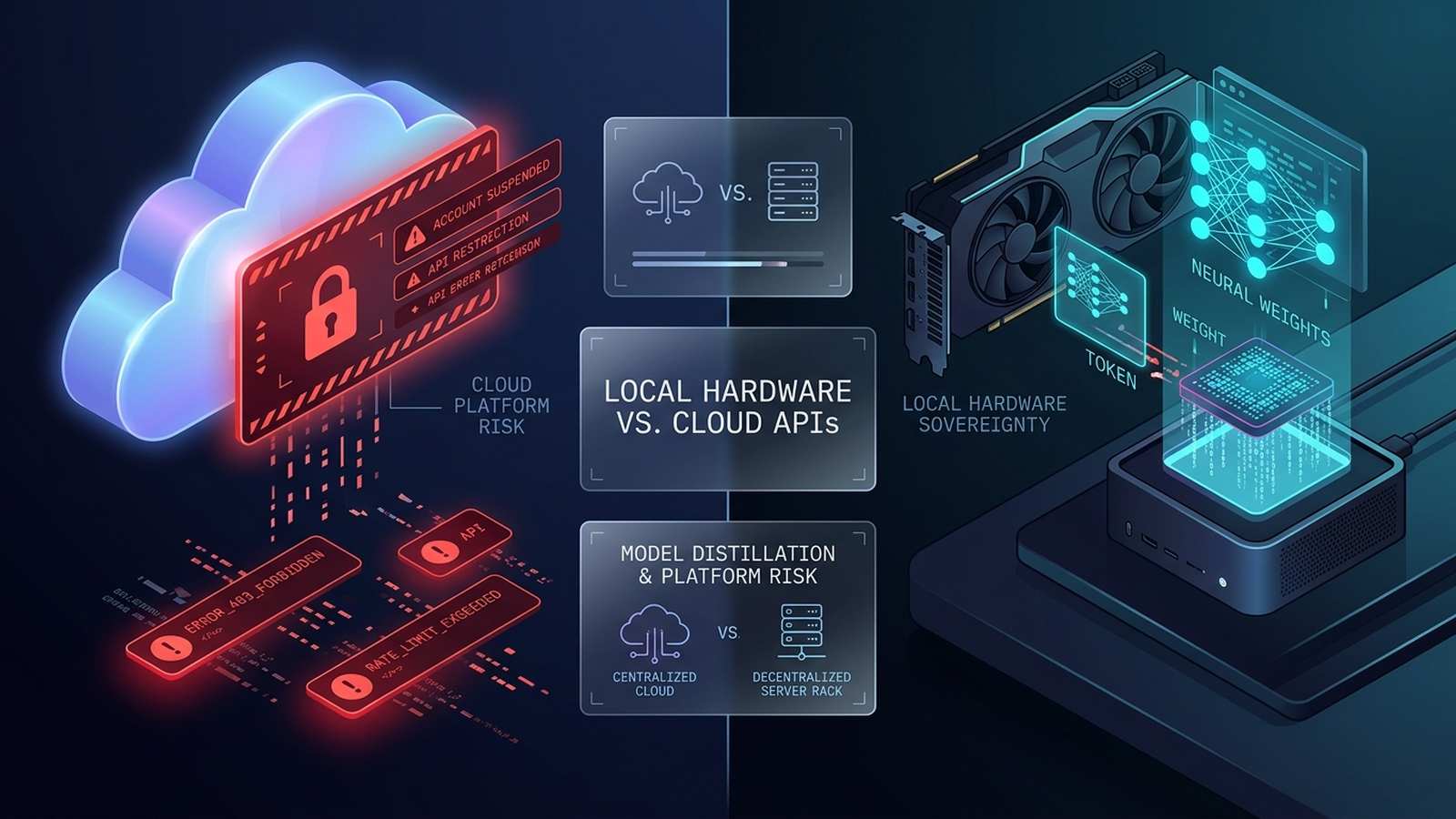
OpenAI Banned PewDiePie Twice: What He Built, Why It Happened, and What Builders Need to Know
An architectural and financial breakdown of why OpenAI banned Felix Kjellberg (PewDiePie) twice for model distillation, how telemetry flagged his Ajax AI model, and how developers can build sovereign local assistants legally.
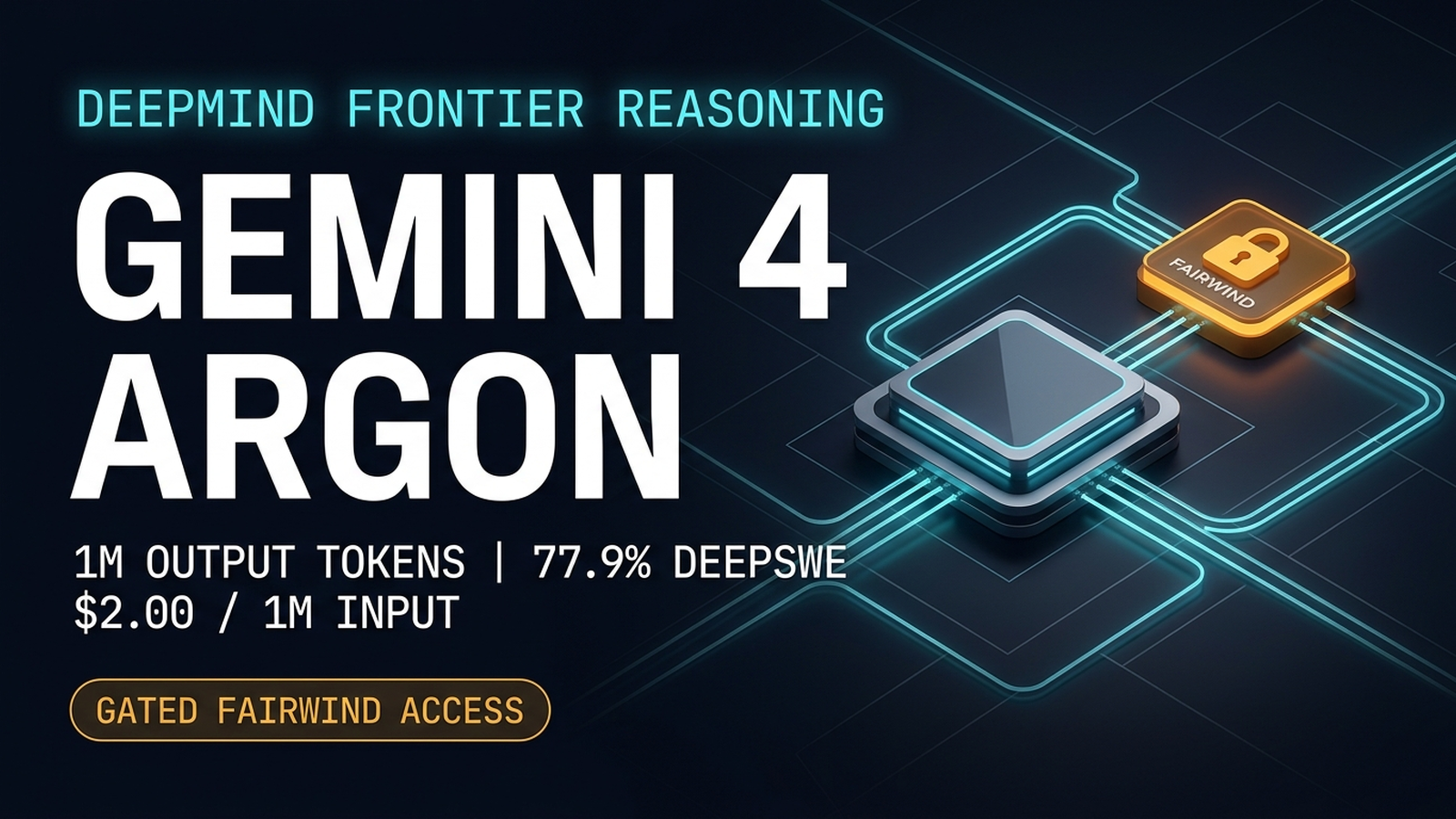
Gemini 4 Argon Explained: Benchmarks, Pricing, and Who Gets Access First
An operator-grade analysis of Gemini 4 Argon, covering its 1-million-token output reasoning capacity, DeepSWE and Vals Index benchmarks, 95% context caching economics, and phased Fairwind access roadmap.
How we publish
We keep the library small on purpose: each piece should stand alone as a useful guide and point to the calculators and methodology pages that match the reader's next step.