Loading...
Loading...
Fewer, deeper articles on pricing, payroll, cash timing, capacity, and inventory—each tied to how ToolsToFind calculators and methodology are used in practice.
Showing 12 of 24 posts · page 2 of 2

Compare industry profit margin benchmarks for SaaS, retail, and healthcare. Gross vs net, correct peer groups, then run free margin math on ToolsToFind.

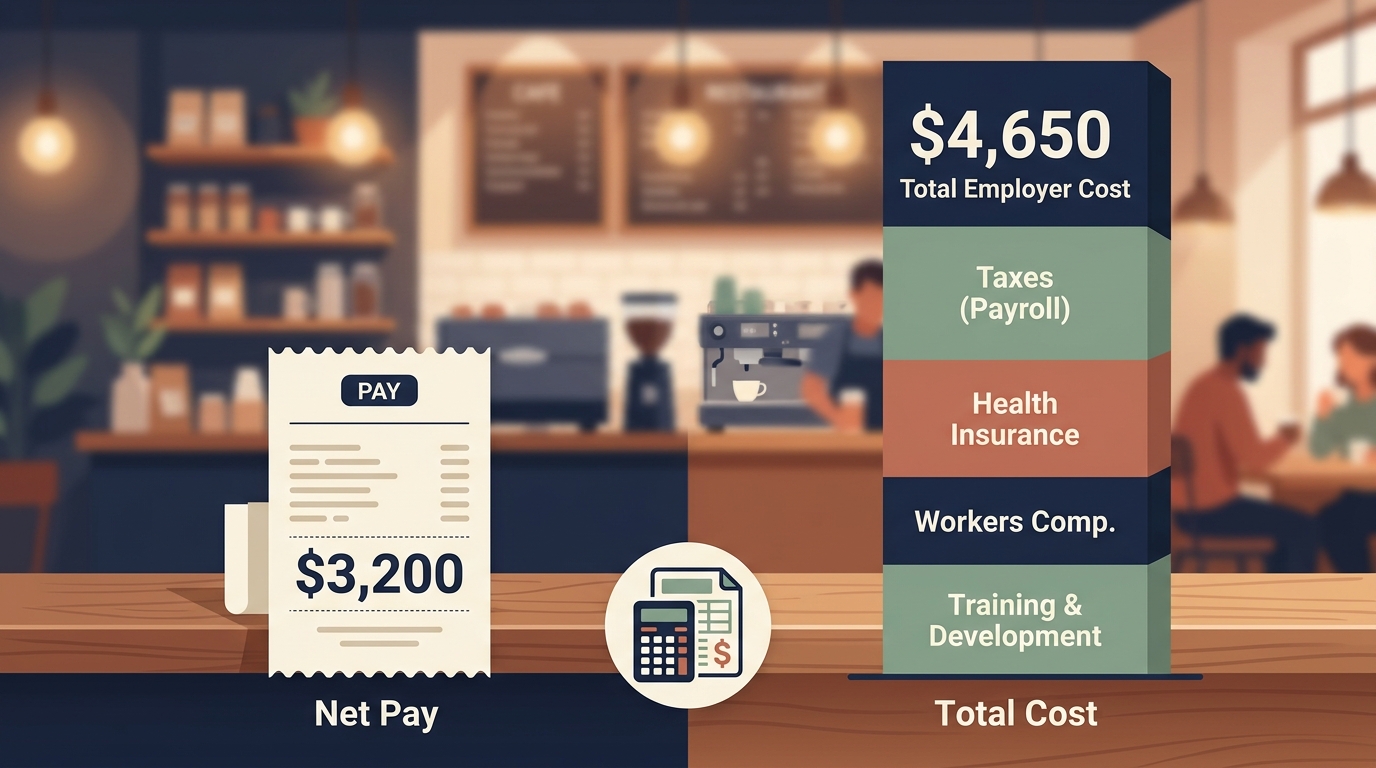
Use a payroll calculator for restaurants to estimate loaded labor cost, not just salary, before your first hire in a 5-person team.
Use break-even analysis to set minimum pricing, workload targets, and hiring timing before growth creates operating strain.
Model the full cost of a first employee before you hire so payroll taxes, setup work, and role design do not surprise the business.
A useful invoice follow-up process reduces days sales outstanding without turning collections into a messy manual scramble.
Restaurant labor targets only help when they are tied to service model, scheduling realities, and how the team actually staffs peak periods.
Unit economics in manufacturing start with cost structure, throughput, and margin discipline, not just with revenue per order.
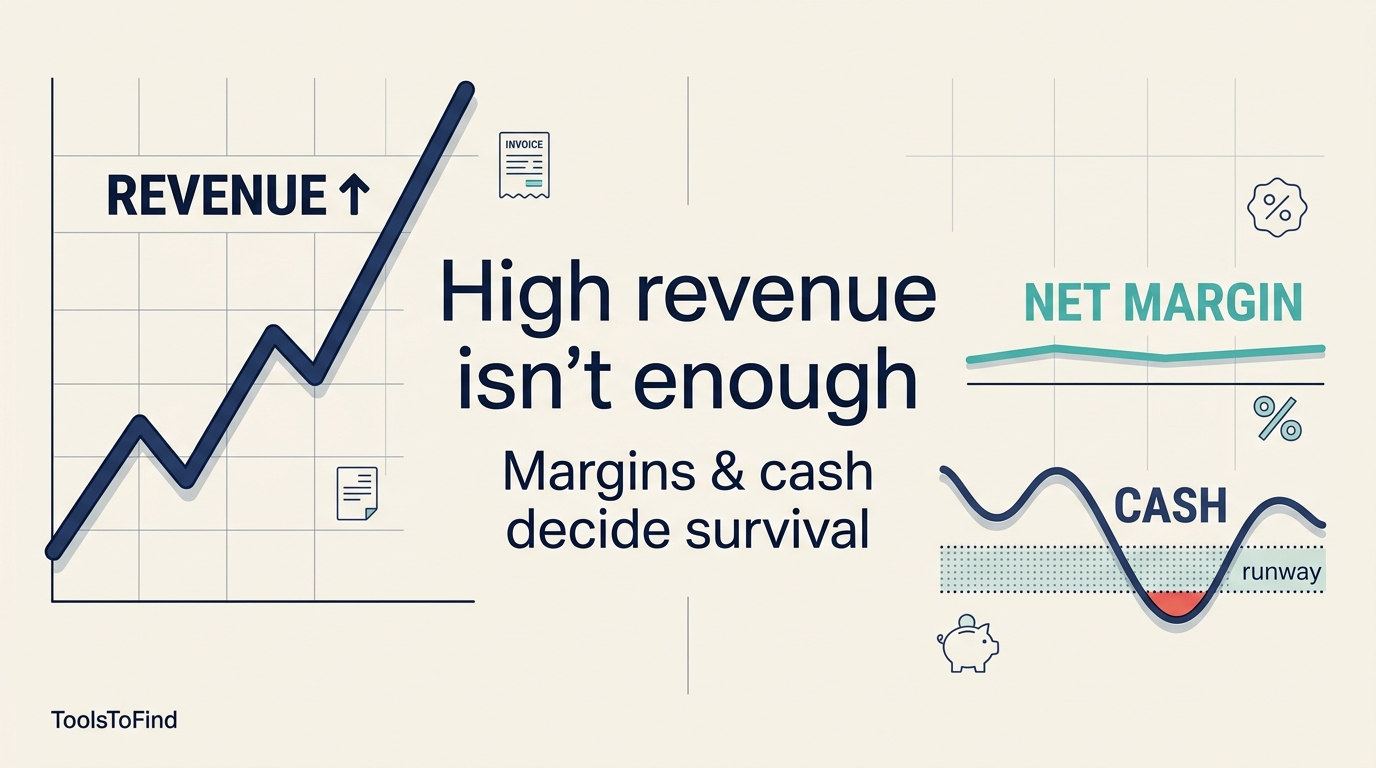
Growth often tightens liquidity before it improves it, which is why working-capital planning matters most when the business is expanding.
Gross margin and markup are related but not interchangeable, and mixing them up is one of the easiest ways to underprice work.
Equipment decisions need more than a lease quote and a productivity hunch. Capital budgeting helps test whether the purchase actually improves the business.
Capacity planning in professional services is not only a staffing exercise. It shapes pricing, delivery quality, and which work the firm should accept.
Seasonal inventory planning should balance sell-through, cash exposure, and markdown risk rather than pushing the business into one oversized bet.
We keep the library small on purpose: each piece should stand alone as a useful guide and point to the calculators and methodology pages that match the reader's next step.